

In the modern world, cooling fans have become an indispensable part of various electronic devices and industrial equipment. As a cooling fan supplier, I am often asked about how these fans work. In this blog, I will delve into the working principles of cooling fans, exploring the science behind their operation and their significance in different applications.
The Basic Components of a Cooling Fan
Before we discuss how a cooling fan works, it's essential to understand its basic components. A typical cooling fan consists of a motor, blades, a housing, and sometimes a controller.
The motor is the heart of the cooling fan. It converts electrical energy into mechanical energy, which drives the rotation of the blades. There are different types of motors used in cooling fans, such as brushed DC motors and brushless DC motors. Brushed DC motors are relatively simple and inexpensive, but they have a shorter lifespan due to the wear of the brushes. Brushless DC motors, on the other hand, are more efficient, quieter, and have a longer lifespan, making them more suitable for high - performance applications.
The blades are designed to move air when they rotate. The shape, size, and number of blades can vary depending on the specific requirements of the fan. For example, fans with more blades can often move more air at a lower noise level, while fans with fewer blades may be more efficient at high speeds.
The housing provides a structure to support the motor and blades and also helps to direct the airflow. It can be made of various materials, such as plastic or metal, depending on the application and the desired level of durability.
Some cooling fans also come with a controller, which can adjust the speed of the fan based on factors such as temperature. This allows the fan to operate more efficiently and reduce energy consumption.
The Working Principle of a Cooling Fan
The working principle of a cooling fan is based on the concept of fluid dynamics. When the motor drives the blades to rotate, the blades create a pressure difference between the inlet and the outlet of the fan.
As the blades spin, they push the air molecules in front of them, increasing the air pressure at the outlet of the fan. At the same time, the movement of the blades creates a low - pressure area at the inlet of the fan. This pressure difference causes air to flow from the low - pressure area (inlet) to the high - pressure area (outlet).
The amount of air that a fan can move is measured in cubic feet per minute (CFM). A higher CFM rating means that the fan can move more air, which is generally better for cooling applications. However, other factors such as static pressure also need to be considered. Static pressure is the ability of the fan to overcome resistance to airflow, such as the resistance caused by filters or heat sinks. A fan with a high static pressure rating can maintain a good airflow even when there is significant resistance.
Applications of Cooling Fans
Cooling fans are used in a wide range of applications, from small electronic devices to large industrial equipment.
In the field of electronics, cooling fans are commonly used in computers, laptops, and servers. These devices generate a significant amount of heat during operation, and if the heat is not dissipated effectively, it can cause the components to overheat, leading to reduced performance or even permanent damage. Cooling fans help to remove the heat by blowing air over the heat - generating components, such as the CPU and GPU. For example, a desktop computer typically has multiple cooling fans, including a case fan to circulate air inside the case and a CPU fan to cool the processor directly.
In the industrial sector, cooling fans are used in various equipment, such as generators, transformers, and industrial ovens. These applications often require high - performance cooling fans that can handle large amounts of heat and operate in harsh environments. Industrial cooling fans may be larger in size and have higher CFM and static pressure ratings compared to those used in electronics.
Complementary Products in Network Cabinet Applications
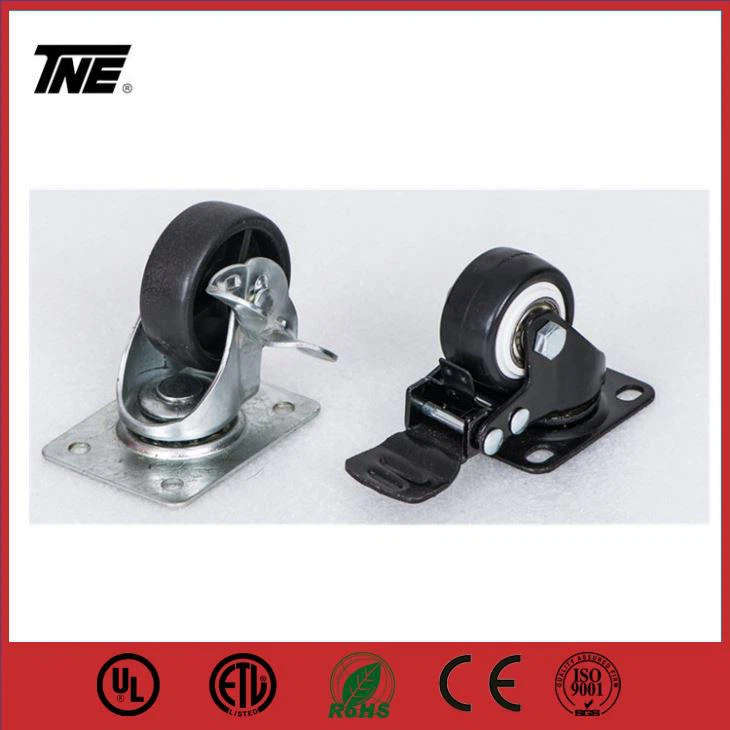
In addition to cooling fans, there are other important accessories in network cabinet applications. For example, High Loading Rack Castors Wheels for Rack Mount Cabinet Accessories are essential for the mobility of network cabinets. These castors wheels can support heavy loads and allow for easy movement of the cabinets, which is very convenient for installation and maintenance.
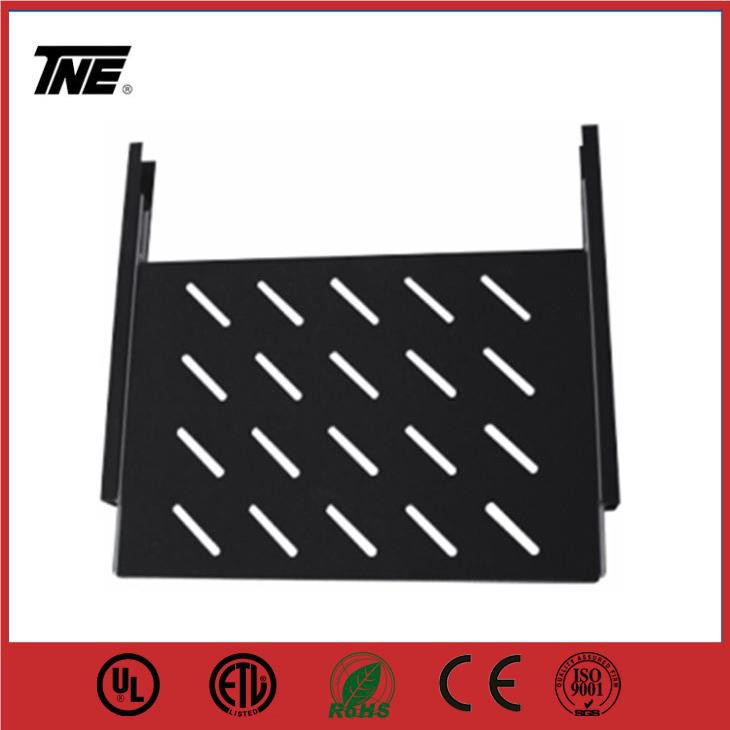
Another useful accessory is the 1U 4 Points Fixed 19 Rack Sliding Shelf. This shelf provides a stable and adjustable platform for mounting equipment inside the network cabinet. It can be easily slid in and out, making it easier to access the equipment for maintenance or upgrades.
The 19 Cable Organizer for Network Cabinet is also an important accessory. It helps to keep the cables in the network cabinet organized, reducing the risk of cable tangling and interference. A well - organized cable system can also improve the airflow inside the cabinet, which is beneficial for the cooling of the equipment.
Importance of Choosing the Right Cooling Fan
Choosing the right cooling fan is crucial for ensuring effective cooling and the proper functioning of the equipment. When selecting a cooling fan, several factors need to be considered.
Firstly, the size of the fan should be appropriate for the application. A fan that is too small may not be able to move enough air to cool the equipment effectively, while a fan that is too large may be overkill and waste energy.
Secondly, the CFM and static pressure ratings should be matched to the specific requirements of the application. For example, if the cooling system has a lot of resistance, a fan with a high static pressure rating is needed.
Noise level is also an important consideration, especially in applications where quiet operation is required, such as in offices or home environments. Fans with lower noise levels are generally more desirable, but this may need to be balanced with other performance factors.
Conclusion
In conclusion, cooling fans play a vital role in many applications by effectively removing heat and ensuring the proper functioning of equipment. Understanding how cooling fans work, including their components, working principles, and performance factors, is essential for choosing the right fan for a specific application.
As a cooling fan supplier, I am committed to providing high - quality cooling fans that meet the diverse needs of our customers. Whether you are looking for a cooling fan for your computer, server, or industrial equipment, we have the expertise and products to meet your requirements. If you are interested in purchasing cooling fans or need more information about our products, please feel free to contact us for a procurement discussion. We look forward to working with you to find the best cooling solutions for your needs.
References
- Incropera, F. P., & DeWitt, D. P. (2002). Fundamentals of Heat and Mass Transfer. John Wiley & Sons.
- White, F. M. (2006). Fluid Mechanics. McGraw - Hill.
- Cooling Fan Design and Application Guide. Various industry publications.